Economic Justice, Work, and the Future of Opportunity
Details
Symposium: Rethinking Affordability
New York City’s workforce is increasingly unable to afford the city it sustains. For women and gender-expansive New Yorkers, economic pressure is cumulative—housing, transportation, caregiving, healthcare, and debt compound over time, while wages, benefits, and workplace protections lag behind the true cost of living.
When: May 7, 2026 | 9:00 AM – 12:00 PM
Where: Barnard College, 3009 Broadway (at 117th Street), New York, NY 10027
Hosted by Women Creating Change (WCC) in conjunction with Women.NYC and with the support of Barnard, this symposium is part of WCC’s 2026 issue-specific convening series, which provides deeper, focused exploration of the critical challenges surfaced at the State of NYC Women Conference, advancing cross-sector solutions rooted in research, lived experience, and action.
Symposium
Why should you attend?
This symposium reframes the conversation from affordability to economic mobility. It examines why full-time work no longer guarantees stability, who is being pushed out of New York City, and how current economic systems continue to undervalue care work, frontline labor, and human services—sectors dominated by women and immigrants.
Attendees will gain:
A clear framework for understanding the cost of working and living in NYC
Insight into how wages, benefits, caregiving, and housing intersect to shape economic security
Policy and systems-level solutions to stabilize and retain New York City’s workforce
A forward-looking lens on AI, automation, and equitable reskilling pathways
Strategies to expand access to entrepreneurship, capital, and business support for women
Cross-sector connections shaping the future of economic opportunity in NYC
Who should attend?
This symposium is designed for a diverse range of participants, including policymakers and government officials, workforce development and labor leaders, entrepreneurs, small business owners, and funders. It also welcomes advocates and organizers, researchers and academics, as well as leaders from nonprofit, human services, and community-based organizations. In addition, the event invites NYC residents and community members who are interested in engaging with these issues.
Participant Experience & Benefits
AI, automation, and shifting labor models are reshaping opportunity and determining who risks being left behind. This convening will explore equitable reskilling pathways, workforce transitions, and entrepreneurship as routes to economic mobility, with a focus on access to capital, business support, and inclusive growth. Grounded in Women Creating Change’s research on pay equity, occupational segregation, and economic security, the event emphasizes women’s economic stability as essential infrastructure for a thriving city and challenges policymakers, employers, and institutions to build an economy where New Yorkers can live and work locally.
What You’ll Leave With
A deeper understanding of how economic insecurity compounds over time
Practical insights into policy, workforce, and funding solutions
A clearer picture of entrepreneurship as a tool for economic mobility and community wealth
Connections across labor, policy, business, and advocacy sectors
A shared framework for building an economy where New Yorkers can thrive—not just survive
Event Testimonials
Read testimonials from past attendees.
'WCC produced a catalytic conference that provided powerful information, deepened awareness, inspired leaders, and served as a turning point for accelerated civic engagement.'
Dayvonne Anderson
Grace OutreachOct. 2025
'Hearing from so many powerful women gave me hope and confidence that there is space for me to lead and thrive.'
Nadrata
StudentOct. 2025
'I was honored to attend the Women Creating Change Conference […] From the warm welcome to the power speakers, every moment inspired me […] reminding me that leaving my home was not a mistake but the beginning of a beautiful new journey.'
Sylvia Cazaubon-Gariel
Grace InstituteOct. 2025
'Attending WCC's event was a powerful reminder of the strength and resilience that women bring […] I walked away deeply inspired, more connected and empowered to embrace my passion and serve my community as an Afro-Latina agent of change.'
Jisbel Barada
Phipps NeighborhoodsOct. 2025
'We are here today because there are women who refused to whisper, made a choice to lead, act, and claim equity as a birthright.'
Carmen De La Rosa
New York City Council MemberOct. 2025
'Advocacy begins with recognizing your own needs and believing they matter.'
Jessica Huang
Youth AdvocateOct. 2025
'Nobody in New York State should be discriminated against because of who they are… including the full scope of pregnancy experience, abortion care, pregnancy care, maternal health, LGBTQ people , people with disabilities, and older adults.'
Sasha Ahuja
Civitas Public AffairsOct. 2025
'I’m grateful to have attended the State of NYC Women's Conference. The conversations, connections, and energy reminded me of the strength and resilience of women leaders everywhere.'
Katia Lafond
Grace OutreachOct. 2025
'From start to finish, the event was thoughtfully curated — from the inspiring guest speakers to the seamless coordination of every detail. What stood out most were the amazing women in the room — from entry-level professionals to executive leaders.'
Jennifer Cabrera
Pierre Cabrera ServicesOct. 2025
'This conference was absolutely amazing! To be in the presence of so many strong and intelligent women felt so powerful, especially in this moment of crisis for NYC. The energy was electric all day!'
Emma Kossoy
University SettlementOct. 2025
'I was both enlightened by the information shared in each panel and in awe of the many leaders I heard from and the incredible work they’re doing across NYC. I was moved to hear from all the women of color and see them celebrated for their work.'
Brandi Thomas
Drive Change Oct. 2025
'All of the panel discussions awakened a charge in me that I will carry through every aspect of my life. Most pressing were the messages from The Cost of Survival panel, which emphasized the urgent need to fight for economic security.'
Paige Adams
Independent/No organizationOct. 2025
Speakers
Get to know the Speakers
Speakers are selected not only for their expertise, but also for their ability to connect systems, policy, and real-life impact. Our speakers are women leaders with lived experience who are shaping NYC’s future across health, safety, economic justice, civic life, and governance.
Rachel Fee is Executive Director of the New York Housing Conference, a leading nonprofit advocating for affordable housing policy and investment. She works with government, nonprofit, and private sector partners to expand housing access, and promote economic mobility for New Yorkers.
Rachel Fee
Executive Director, New York Housing Conference
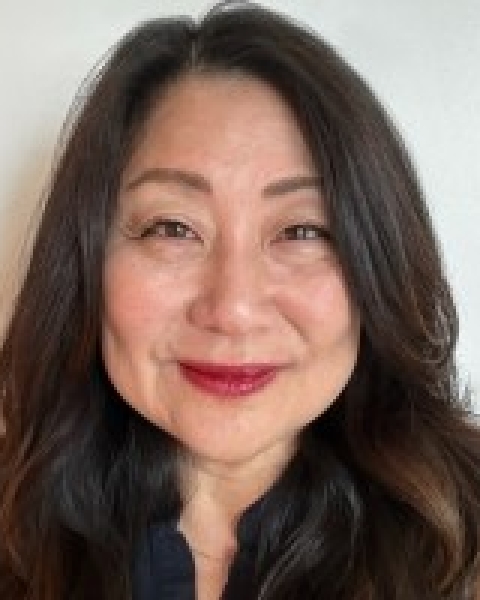
Myung J. Lee is Chief Strategy Officer at Living Cities, leading efforts to transform systems and capital flows to advance economic mobility. She brings deep experience in impact investing, public-private partnerships, and place-based strategies supporting low-income and communities of color.
Myung J. Lee
Chief Strategy Officer, Living Cities
Virginia Maloney is Council Member for District 4 in the NYC Council, representing Manhattan's East Side. She focuses on policies advancing affordability, public services, and economic opportunity, with an emphasis on supporting working families, strengthening communities, and improving access.
Virginia Maloney
Council Member, District 4, New York City Council
Marjorie D. Parker is President and CEO of JobsFirstNYC, leading workforce development strategies that connect New Yorkers to quality jobs. With 25+ years of experience, she focuses on systems change, employer engagement, and advancing economic mobility for low-income communities and workers.
Marjorie D. Parker
President and CEO, JobsFirstNYC
Dr. Lisa Scott-McKenzie, is Commissioner of the New York City Department for the Aging
(NYC Aging), where she leads efforts to support more than 1.8 million older New Yorkers in living healthy, connected, and independent lives.
Dr. Lisa Scott-McKenzie
Commissioner, Department for the Aging, The City of New York
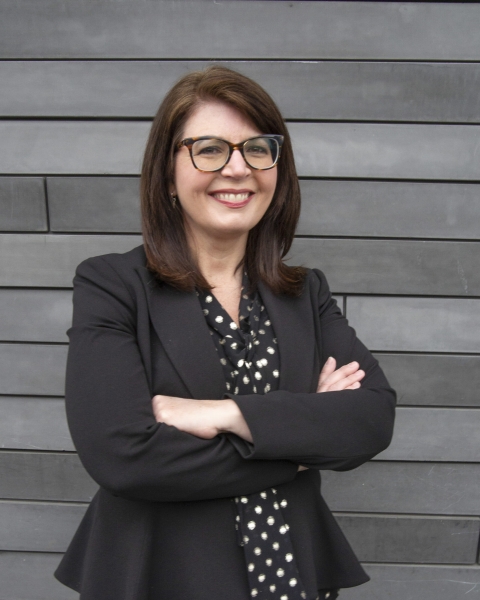
Vice President for Inclusion and Belonging at Barnard College, leading institutional strategy to advance equity and inclusive campus culture. With deep experience in higher education and public service, she focuses on access, student success, and creating pathways for underrepresented communities.
Akilah Rosado
Vice President for Inclusion and Belonging, Barnard College
Sideya Sherman is Director of the Department of City Planning and Chair of the City Planning Commission for The City of New York. She leads citywide planning efforts to advance equitable growth, housing development, and neighborhood investment across diverse communities.
Sideya Sherman
Director, Department of City Planning; Chair, City Planning Commission
Wendy Star, Esq. is Senior Vice President of Equity & Community Impact, Economic Mobility at NYCEDC, leading initiatives that connect New Yorkers to quality jobs and sustainable career pathways. She also serves as a Commissioner on the inaugural Commission on Racial Equity (CORE).
Wendy M. Star, Esq.
Sr. Vice President, Equity and Community Impact, NYCEDC
Shanel Thomas-Henry is Council Member for District 21 in the NYC Council, representing Corona, East Elmhurst, & Jackson Heights. She advances policies supporting working families, small businesses, and immigrant communities, with a focus on economic opportunity, equity, and neighborhood investment.
Shanel Thomas-Henry
Council Member, District 21, New York City Council
Lori Rodney is Head of Global Communications at Shutterstock and a Board Member of Women Creating Change. She leads global brand and communications strategy, bringing expertise in storytelling, corporate leadership, and advancing conversations at the intersection of business, culture, and impact.
Lori Rodney
Head of Global Communications, Shutterstock; Board Member, WCC
Julie Won is Council Member for District 26 in the NYC Council, representing Western Queens. She champions policies supporting small businesses, immigrant communities, and equitable economic development, focused on expanding access to opportunity & ensuring city investments benefit working families.
Julie Won
Council Member, District 26, New York City Council
Sharon Sewell-Fairman is President and CEO of Women Creating Change (WCC), where she leads research-driven advocacy and civic engagement to advance gender equity across New York City. She brings decades of nonprofit leadership focused on economic justice, community empowerment, and systemic change.
Sharon Sewell-Fairman
President and CEO, Women Creating Change (WCC)
Rafia Zahir-Uddin is VP & Program Officer in Corporate Responsibility at JPMorganChase, leading initiatives in economic opportunity and workforce development. Her work advances inclusive growth by supporting pathways to employment, entrepreneurship & financial stability for underserved communities.
Rafia Zahir-Uddin
VP & Program Officer, Corporate Responsibility, JPMorganChase
Elizabeth Ananat is the Mallya Professor of Women and Economics at Barnard College. A former Senior Economist at the White House Council of Economic Advisers, her research focuses on inequality, public policy, and how economic systems shape opportunity for women, families, & low-income communities.
Elizabeth Ananat
Mallya Professor of Women and Economics, Barnard College
Advancing policies to improve economic security and workplace equity for women across New York State.
Beverly Cooper Neufeld
President, PowHer New York
Represents employers across industries on economic development, workforce, and regulatory policy, working with government leaders to advance a competitive and sustainable business environment in New York.
Heather C. Mulligan
President & CEO, The Business Council of New York State, Inc.
Jeanny Pak is Interim CEO of NYCEDC, where she leads strategies to drive inclusive economic growth and job creation across the five boroughs. Her work focuses on infrastructure, innovation, and ensuring development investments benefit diverse and historically underserved communities.
Jeanny Pak
Interim CEO, New York City Economic Development Corporation (NYCEDC)
Event Partners
Co-hosted with Women.NYC and supported by Barnard.
Our partners are committed to advancing equitable economic opportunity and workforce stability for women and gender-expansive New Yorkers. Their support makes possible cross-sector dialogue, research-informed solutions, and meaningful collaboration around workforce transitions, economic security, and community wealth. Together, we're working to shape an economy where all New Yorkers can achieve economic mobility.
If you have any questions or need more details, feel free to reach out to [email protected]
When & Where
When: May 7, 2026 | 9:00 AM – 12:00 PM
Where: The Ethel S. LeFrak ’41 and Samuel J. LeFrak Theatre, Barnard College, 3009 Broadway (at 117th Street), New York, NY 10027
Who can attend?
Anyone can participate in Women.NYC programs regardless of actual or perceived sex, gender, gender identity or gender expression, sexual orientation, age, religion, creed, partnership status, marital status, disability (including use of a service animal), race, color, national origin, alienage, citizenship status, military status, or any other class protected by City, State, or Federal law.
When does registration close?
Registration closes on May 4, 2026.
What key takeaways can I expect?
A deeper understanding of how economic insecurity compounds over time
Practical insights into policy, workforce, and funding solutions
A clearer picture of entrepreneurship as a tool for economic mobility and community wealth
Connections across labor, policy, business, and advocacy sectors
A shared framework for building an economy where New Yorkers can thrive—not just survive
How much does it cost to attend?
With support from our partners, we’re pleased to make this symposium accessible at no cost.
Disclaimers
Disclaimers:
This event is open to the public and at no-cost, doors will be closed once the venue reaches capacity, arrive early.
By signing up for this event you accept to be photographed and recorded, and allow women.nyc to use the materials for informational and promotional purposes.
By registering to this event you accept to join our email list and receive information about future events and resources.
This website uses cookies to enhance your experience.